

How Does Fetal Acidosis Affect the Baby?

Fetal acidosis (also called fetal acidemia) means a baby's blood has become too acidic, usually because the baby ran short of oxygen during labor. It is detected through fetal heart-rate monitoring during labor and confirmed by umbilical cord blood gas tests after birth. Significant acidosis can be associated with serious complications, including HIE - which is why recognizing and responding to fetal distress in time matters.
Fetal acidosis is a critical condition characterized by an increased level of acidity in a baby’s blood, often due to inadequate oxygen supply during labor or delivery. If left untreated, fetal acidosis can result in short- and long-term health complications, some of which may have lifelong consequences. Understanding how this condition affects the baby is essential for parents, healthcare providers, and caregivers to ensure timely intervention and support.
This detailed blog explains how does fetal acidosis affect the baby health, and the steps families can take to address and manage its effects.
What Is Fetal Acidosis?
Fetal acidosis occurs when a baby’s blood pH level drops below 7.2, indicating an acidic environment. This happens when oxygen supply to the fetus is restricted, forcing the body to switch from aerobic (oxygen-based) metabolism to anaerobic metabolism, which produces lactic acid. The accumulation of lactic acid leads to acidemia—a condition where the blood becomes excessively acidic.
Causes of Fetal Acidosis
The primary cause of fetal acidosis is reduced oxygen supply during pregnancy or delivery. Factors contributing to oxygen deprivation include:
Umbilical Cord Issues:
- Prolapsed or compressed umbilical cords can restrict oxygen and nutrient flow.
Placental Complications:
- Placental abruption (separation of the placenta from the uterine wall) or insufficiency can lead to inadequate oxygen transfer.
Prolonged Labor:
- Extended delivery times increase the risk of hypoxia (oxygen deprivation).
Maternal Health Conditions:
- Conditions like preeclampsia, diabetes, or infections can compromise oxygen delivery to the fetus.
Fetal Distress:
- Abnormal fetal heart rate patterns, often detected during labor, signal potential hypoxia and acidosis.

How Does Fetal Acidosis Affect the Baby?
The severity of fetal acidosis’s impact on a baby depends on how quickly the condition is identified and addressed. Here’s how it can affect a baby’s health:
Brain Injury and Neurological Disorders
- Hypoxic-Ischemic Encephalopathy (HIE):
- Prolonged oxygen deprivation can lead to brain dysfunction, causing HIE. This condition increases the risk of cerebral palsy and developmental delays.
- Cognitive Impairments:
- Fetal acidosis may damage critical areas of the brain, resulting in learning difficulties or memory problems as the child grows.
Organ Damage
- Heart:
- Acidosis can strain the baby’s heart, potentially leading to irregular heartbeats or long-term cardiac issues.
- Kidneys:
- Reduced blood flow during hypoxia may harm the kidneys, impairing their ability to filter waste.
- Liver:
- Oxygen deprivation can damage the liver, affecting its capacity to process toxins and produce essential proteins.
Respiratory Challenges
- Babies with fetal acidosis often experience difficulty breathing immediately after birth, requiring resuscitation or ventilator support.
- Persistent respiratory distress can increase the risk of lung infections and chronic conditions like asthma.
Low Apgar Scores
- Newborns with fetal acidosis typically have low Apgar scores, indicating poor heart rate, breathing, reflexes, and muscle tone. These scores often signal the need for urgent medical intervention.
Seizures
- Severe acidosis can trigger neonatal seizures, which may indicate underlying brain injury or oxygen deprivation.

Increased Risk of Stillbirth
- In extreme cases, untreated fetal acidosis can lead to stillbirth, underscoring the need for timely detection and intervention.
Long-Term Effects of Fetal Acidosis
If fetal acidosis is not promptly addressed, it can have lasting consequences, including:
- Cerebral Palsy:
- A motor disability resulting from brain damage caused by oxygen deprivation during labor or delivery.
- Developmental Delays:
- Delays in reaching milestones such as crawling, walking, or talking.
- Behavioral Challenges:
- Emotional and social difficulties, often linked to brain damage sustained during hypoxia.
- Epilepsy:
- A neurological disorder causing recurring seizures, frequently associated with brain injuries like HIE.
How Is Fetal Acidosis Diagnosed?
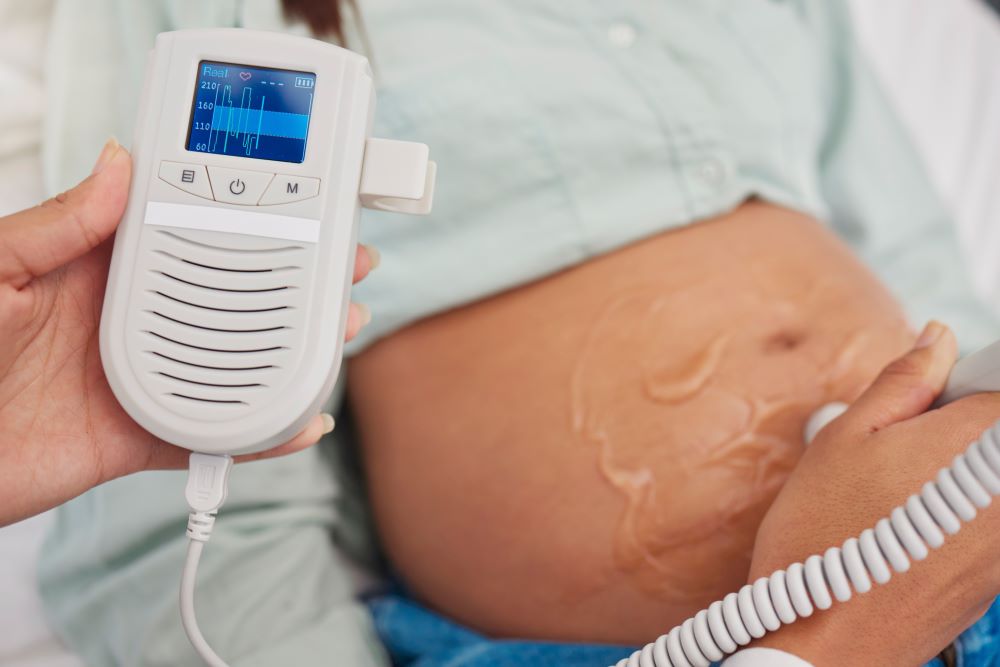
Healthcare providers use various tools to detect fetal acidosis during labor and delivery:
- Continuous monitoring can identify abnormal patterns, such as late decelerations or reduced variability.
Fetal Scalp Blood Sampling:
- A test performed during labor to measure blood pH and lactate levels directly from the baby.
Umbilical Cord Blood Gas Analysis:
- Conducted immediately after birth, this test assesses the baby’s blood pH, oxygen, and carbon dioxide levels.
Managing and Treating Fetal Acidosis
Timely intervention is critical in preventing long-term complications associated with fetal acidosis.
During Labor
- Position Changes: Adjusting the mother’s position can improve oxygen flow to the baby.
- Oxygen Therapy: Administering oxygen to the mother can help increase oxygen delivery to the fetus.
- Emergency Cesarean Section: In cases of severe distress, delivering the baby promptly can prevent further complications.
After Delivery
- Resuscitation: Some babies require immediate resuscitation to stabilize breathing and heart rate.
- Therapeutic Hypothermia: Cooling the baby’s body to reduce brain inflammation and prevent further damage in cases of HIE.
- Supportive Care: Ventilators, medications, and intravenous fluids may be needed to stabilize the baby’s condition.
Legal Options for Families
If fetal acidosis resulted from medical negligence—such as failure to monitor fetal distress, delayed interventions, or improper care during delivery—families may be entitled to compensation. Consulting a birth injury attorney can help families:
- Investigate whether negligence contributed to the condition.
- Pursue compensation for medical expenses, therapies, and long-term care.
- Hold healthcare providers accountable for preventable mistakes.

How Thomas & Wan LLP Can Help
At Thomas & Wan LLP, we specialize in helping families affected by birth injuries like fetal acidosis. With decades of experience, we provide compassionate support and expert legal representation to secure justice and resources for your child’s care.
Fetal acidosis is a serious condition that can profoundly affect a baby’s health, both immediately and in the long term. Early detection and prompt medical intervention are crucial in mitigating the risks and ensuring the best possible outcomes.
If you believe medical negligence contributed to your child’s condition, contact Thomas & Wan LLP today for a free consultation. Let us help you navigate this challenging time and fight for the justice your family deserves.
Linda Laurent Thomas
Pursuing aggressive representation for injured patients since 1987, Linda has spent decades holding Texas hospitals and physicians accountable at trial.
View Linda's bioMichelle W. Wan
A Life Member of the Multi-Million Dollar Advocates Forum (under 1% of U.S. attorneys), Texas Monthly SuperLawyer, and Houstonia Top Lawyer for medical malpractice.
View Michelle's bioThomas & Wan, LLP is a women-owned Houston medical-malpractice and birth-injury firm with more than 55 years of combined experience. Both partners personally try every case. This article is general legal information, not legal advice.
Injured by Medical Negligence?
Get a free case review. No fees unless we win.
Talk to a Houston medical malpractice attorney
If your baby suffered oxygen deprivation that may have been preventable, our birth injury team can review what happened. Thomas & Wan handles only medical malpractice and birth injury cases — no fee unless we win.